Sporting Goods/Guns in Canada / No Pal Needed
FREE online Gun Classifieds for Canada. Easy to use buy and sell website for firearm owners to post used guns in Canada.

Popular search terms:

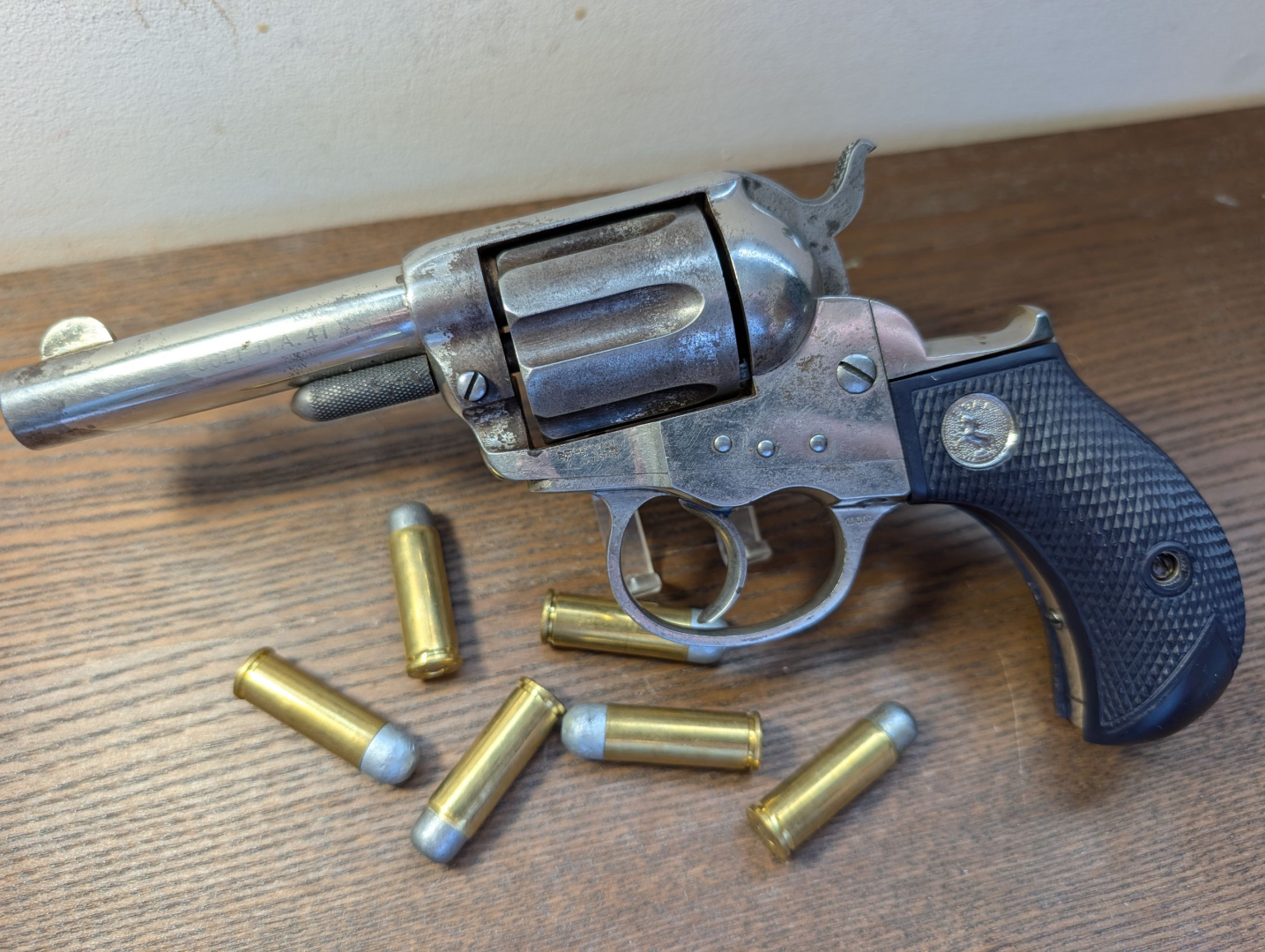
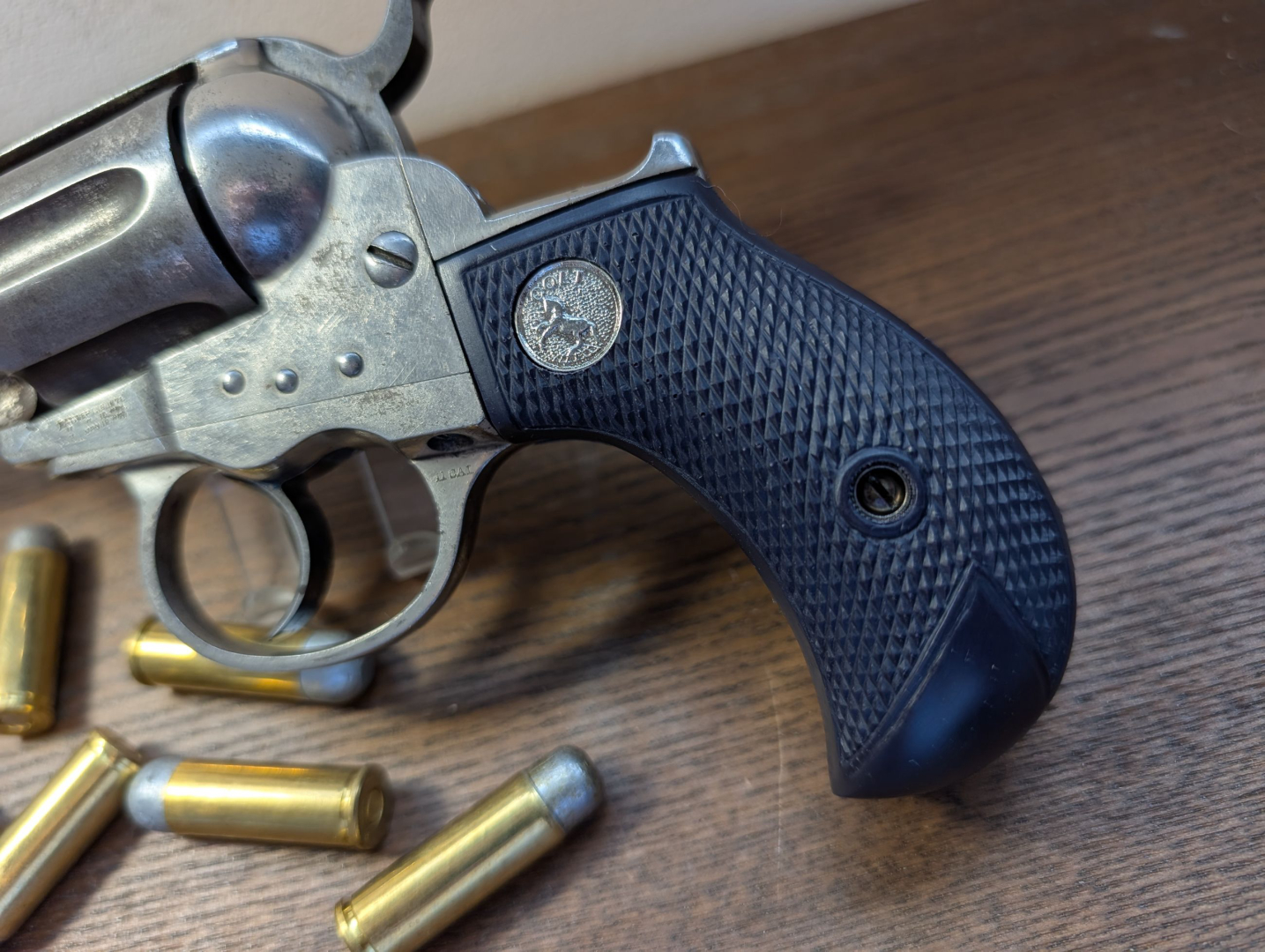
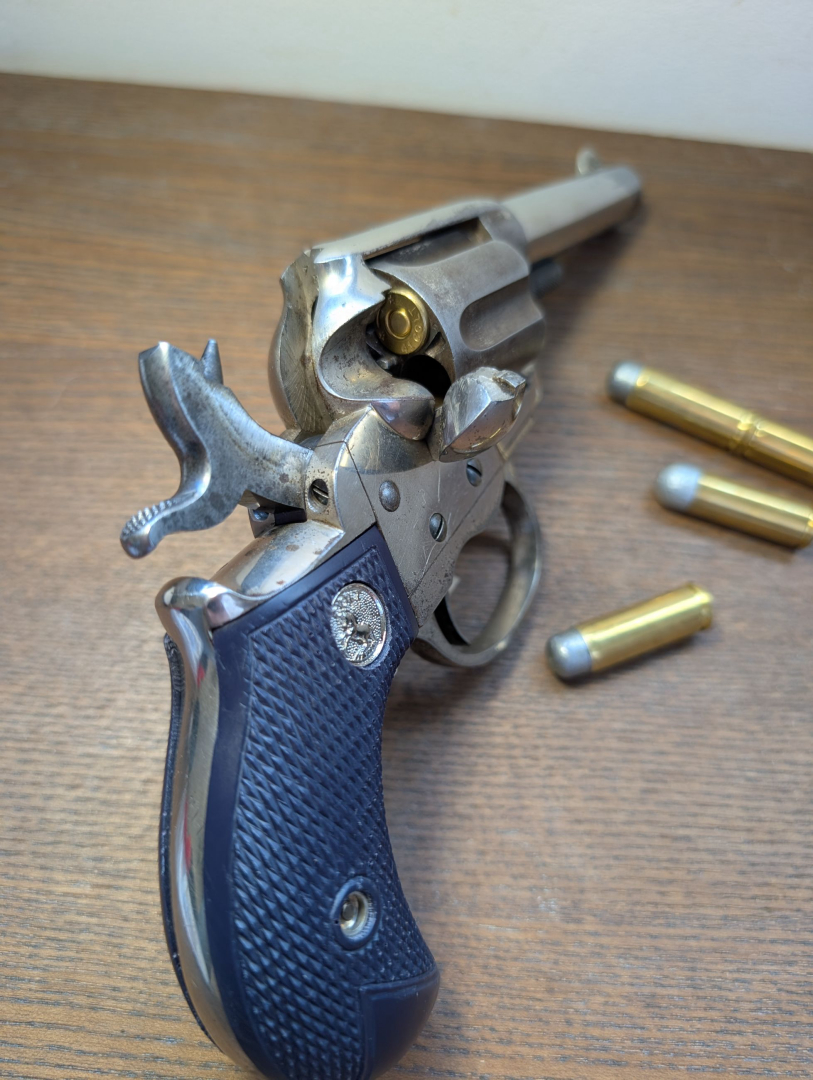
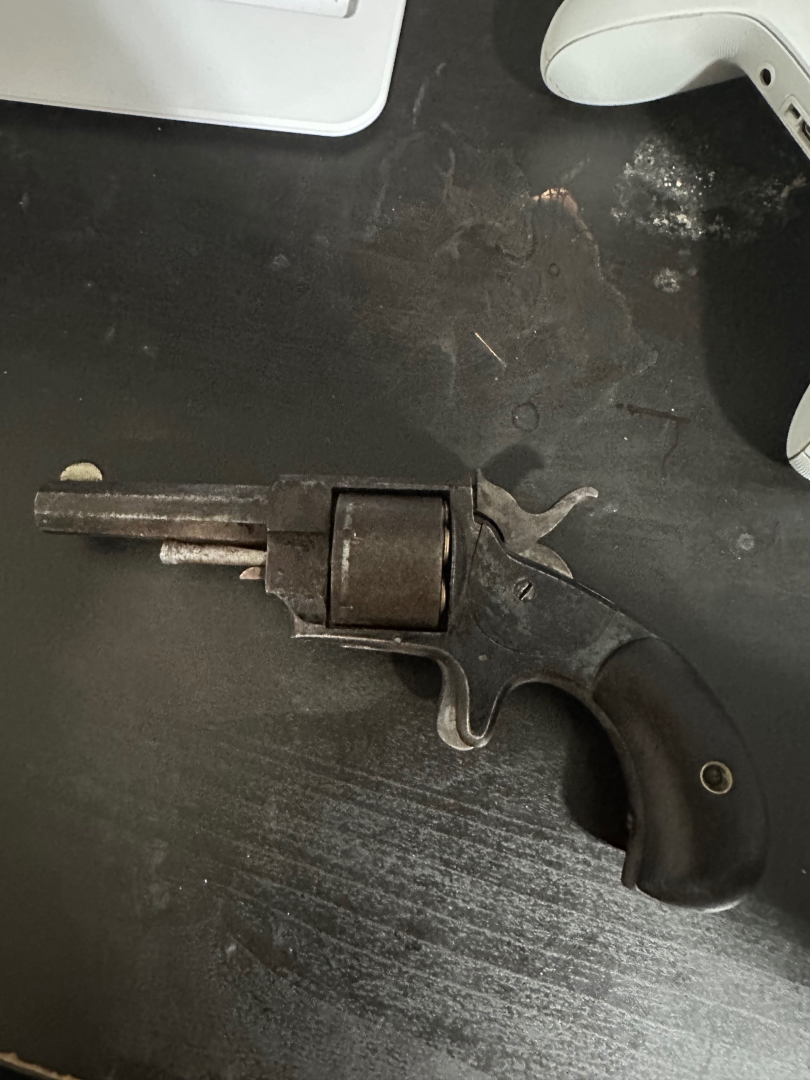
Photo of Smith & Wesson New Model No. 3 in .44 Russian Open top. Antique $4500
$4500
Smith & Wesson New Model No. 3 in .44 Russian Open top. Antique $4500
Please text anytime 6476871484. Fully functional antique revolver in mechanically perfect and ready to shoot condition ,very good action, no PAL needed. Reloadable ammo is available but sold separately Comes with FRT RCMP paperwork. Smith & Wesson 44New Model No. 3 Top Break, .44 Russian Revolver This one is in very good condition. The the serial numbers match . The action is strong and accurate, and the cylinder indexes and locks properly. The bore of the 6-inch barrel is quite good, with strong rifling. The black hard rubber grips are good and undamaged. Mechanically in excellent condition with proper timing and lockup. The latch is also solid with zero play. Extractor works as it should. SN 5819, very good overall. History & Background Smith and Wesson's first double action design dates back to at least 1872 - years before Colt ever attempted a double action cartridge revolver. It was mentioned in a letter to the Russian envoy General Orlof, and although the sale to Russia never materialized, it served to pave the way for the very popular and successful line of double action top break revolvers. The .44 Russian model was actually the first to be produced as a prototype, and the last to be released for sale to the public. For this reason there exists a degree of confusion over the proper terminology: the first one to be manufactured for sale was the .38 caliber model, followed by the .32. The .44 caliber model was not released until 1881, and is variably known as the No. 3 Double Action, the Double Action "Navy" (a name Daniel Wesson wanted to keep alive to differentiate this model from the No. 3 single action, and still holding out hope to sell it to the Russian navy), and the First Model Double Action. Originally, the .44 Double Action was made with a 1 7/16 inch cylinder, however an optional .44-40 version was available as of 1886. This required a 1 9/16 inch cylinder, and a longer frame. The firm soon realized that it was too expensive and cumbersome to manufacture two different sizes of frames for what was essentially the same gun, and the shorter cylinder and frame were dropped in favour of the longer one in the early 1890's. The No. 3 frame .44 double action top breaks were dropped from the Smith and Wesson catalogue in 1913.
categories:GunsSporting Goods
10754 impressions
428 views
Mississauga, ON1 day ago
Photo of Smith & Wesson 44 Double Action Open top "First Model" Antique Revolver .44 Russian $4300
$4300
Smith & Wesson 44 Double Action Open top "First Model" Antique Revolver .44 Russian $4300
Please text anytime 6476871484. Fully functional antique revolver in perfect and ready to shoot condition ,very good action, no PAL needed. Reloadable ammo is available but sold separately Comes with FRT RCMP paperwork. Smith & Wesson 44 Double Action "First Model", .44 Russian This one is in very good condition. With original finish remains, the markings are well visible. The action is strong and accurate, and the cylinder indexes and locks properly. There is minimal side-to-side movement. The bore of the 6 inch barrel is very good, with strong rifling and little signs of wear and use. The original wooden grips are very good and undamaged. There is no wear visible. The front sight has been upgraded with a German silver blade for better accuracy. SN 12499, very good overall.​ History & Background Smith and Wesson's first double action design dates back to at least 1872 - years before Colt ever attempted a double action cartridge revolver. It was mentioned in a letter to the Russian envoy General Orlof, and although the sale to Russia never materialized, it served to pave the way for the very popular and successful line of double action top break revolvers. The .44 Russian model was actually the first to be produced as a prototype, and the last to be released for sale to the public. For this reason there exists a degree of confusion over the proper terminology: the first one to be manufactured for sale was the .38 caliber model, followed by the .32. The .44 caliber model was not released until 1881, and is variably known as the No. 3 Double Action, the Double Action "Navy" (a name Daniel Wesson wanted to keep alive to differentiate this model from the No. 3 single action, and still holding out hope to sell it to the Russian navy), and the First Model Double Action. Originally, the .44 Double Action was made with a 1 7/16 inch cylinder, however an optional .44-40 version was available as of 1886. This required a 1 9/16 inch cylinder, and a longer frame. The firm soon realized that it was too expensive and cumbersome to manufacture two different sizes of frames for what was essentially the same gun, and the shorter cylinder and frame were dropped for the longer one in the early 1890's. The No. 3 frame .44 double action top breaks were dropped from the Smith and Wesson catalogue in 1913.
categories:GunsSporting Goods
4289 impressions
230 views
Mississauga, ON3 days ago
Photo of Smith & Wesson New Model No. 3 in .44 Special / Russian Open top. Antique $4800
$4800
Smith & Wesson New Model No. 3 in .44 Special / Russian Open top. Antique $4800
Please text anytime 6476871484. Fully functional antique revolver in ready to shoot condition ,very good action, no PAL needed. Reloadable ammo is available but sold separately Comes with FRT RCMP paperwork. Smith & Wesson 44 New Model No. 3 Top Break, .44 Special / Russian Revolver. This one is in very good condition with longer 1 9/16 cylinder and can shoot both .44 Special and 44 Russian ammo. The action is strong and accurate, and the cylinder indexes and locks properly. The bore of the 5 inch barrel is quite good, with strong rifling. The black hard rubber grips are good and undamaged. Mechanically in excellent condition with proper timing and lockup. The latch is also solid. Extractor works as it should. SN 10682, very good overall. History & Background Smith and Wesson's first double action design dates back to at least 1872 - years before Colt ever attempted a double action cartridge revolver. It was mentioned in a letter to the Russian envoy General Orlof, and although the sale to Russia never materialized, it served to pave the way for the very popular and successful line of double action top break revolvers. The .44 Russian model was actually the first to be produced as a prototype, and the last to be released for sale to the public. For this reason there exists a degree of confusion over the proper terminology: the first one to be manufactured for sale was the .38 caliber model, followed by the .32. The .44 caliber model was not released until 1881, and is variably known as the No. 3 Double Action, the Double Action "Navy" (a name Daniel Wesson wanted to keep alive to differentiate this model from the No. 3 single action, and still holding out hope to sell it to the Russian navy), and the First Model Double Action. Originally, the .44 Double Action was made with a 1 7/16 inch cylinder, however an optional .44-40 version was available as of 1886. This required a 1 9/16 inch cylinder, and a longer frame. The firm soon realized that it was too expensive and cumbersome to manufacture two different sizes of frames for what was essentially the same gun, and the shorter cylinder and frame were dropped in favor of the longer one in the early 1890's. The No. 3 frame .44 double action top breaks were dropped from the Smith and Wesson catalogue in 1913.
categories:GunsSporting Goods
5653 impressions
612 views
Mississauga, ON3 days ago
Photo of Smith and Wesson No. 2 "Old Model Army", Mid frame antique Revolver $2100
$2100
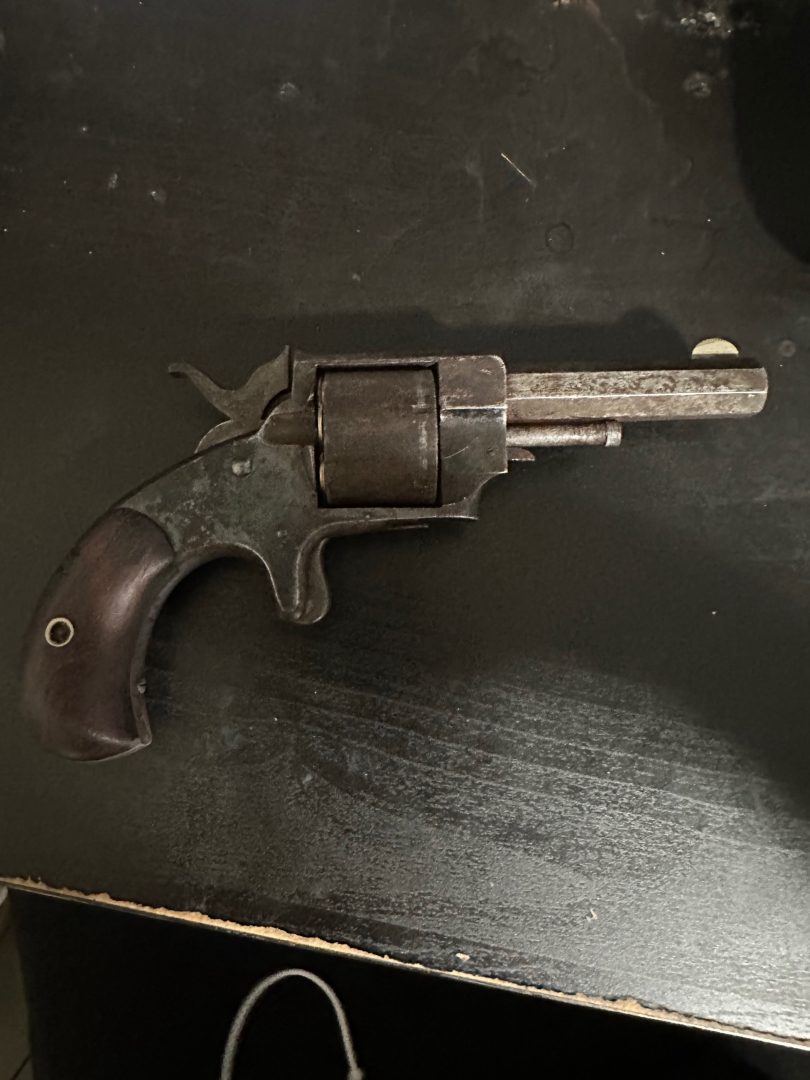
Smith and Wesson No. 2 "Old Model Army", Mid frame antique Revolver $2100
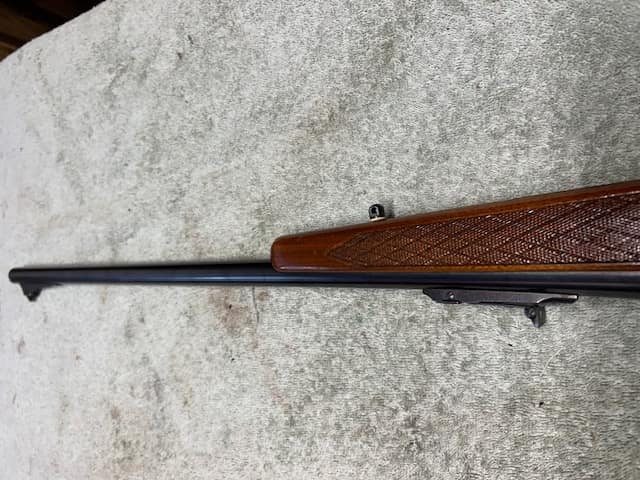
Please text anytime 6476871484. Fully functional antique revolver in ready to shoot condition ,very smooth action. No PAL needed. Can shoot 32rf long and short. Comes with FRT RCMP paperwork. Smith and Wesson No. 2 "Old Model Army", .32 RF Revolver This one is in very good condition. With original blue. The action is strong and accurate, and the cylinder indexes and locks properly without play. The bore of the 5-inch barrel is very good, with sharp rifling and mirror bright. The rosewood grips are very good and undamaged. They look like they may have been re-varnished once. SN 59474, very good overall. History & Background Horace Smith and Daniel Baird Wesson acquired Rollin White’s patent (1855) for the bored-through cylinder to manufacture what they originally called the No. 1 revolver in .22 rim fire. It proved to be a rather ineffective little pocket revolver but was nonetheless very popular with civilians as a personal protective weapon. In 1861, just as the civil war gained momentum, S&W decided that they needed a larger caliber revolver in order to be able to convince the buying public (many of them enlisted in the war) that their gun was a viable protective option and as a back-up gun in battle. The scaled-up design was duly named the No. 2 and was nicknamed the “Army”, as it was widely used by military personnel as a personal side arm. Smith & Wesson retained and defended the Rollin White patent aggressively throughout the civil war period, and until its expiry in 1870, and therefore the No. 2 “Army” would be the only American made cartridge revolver used during this conflict (although several “unlicensed” makers added their wares into the fray, such as Uhlinger, Pond and Moore). The model is called “Old Model” due to its frame shape – the square butt and octagonal barrel of the model 1 ½ First Issue, as compared to the bird’s head grip and round barrel of the Second Issue. There is no “New Model” Army. The "No. 2 Old Model" was a popular personal side arm of many officers in the Union forces during the American Civil War, and is also known as the "Army" model. It was first introduced in 1861, and made until about 1874. The "No. 2" refers to the frame size, "No. 1" having been the first, .22 caliber pocket revolver and the "No. 3"'s being the large-frame revolvers. The 1 1/2 was introduced after the number 2, and since it fits in between the no. 1 and no. 2, it was named the no. 1 1/2. The no. 2 was owned by such famous Americans as General George Armstrong Custer and "Wild Bill" Hickok, the marshal of Deadwood...
categories:GunsSporting Goods
13193 impressions
448 views
Mississauga, ON3 days ago
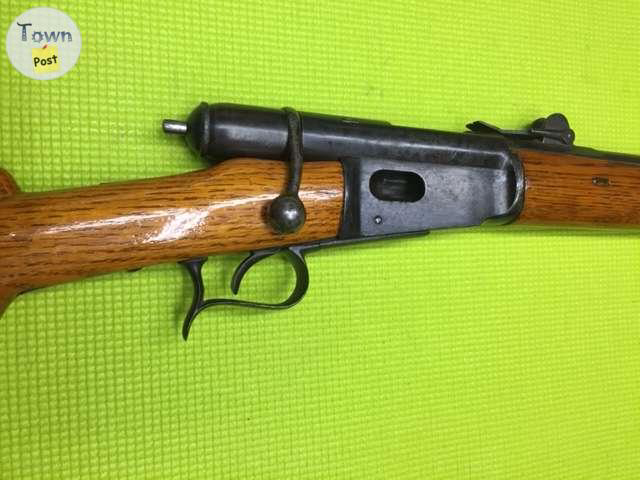
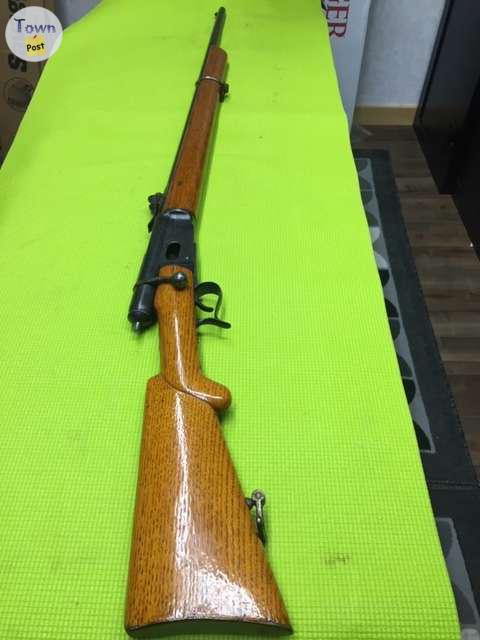
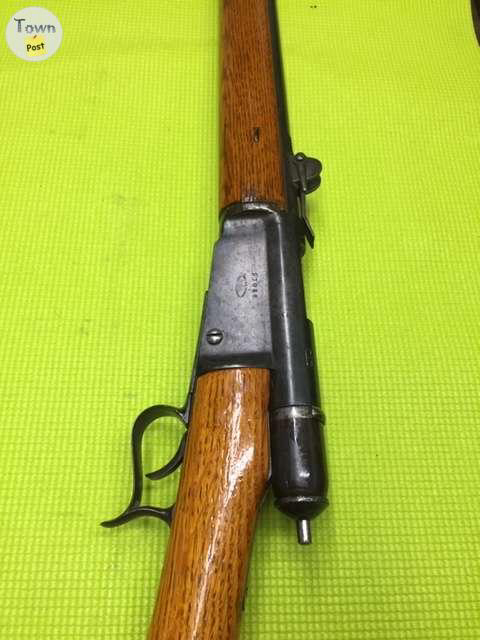
Photo of SWISS SCHMIDT RUBIN 1896/ K11 INFANTRY RIFLE 7.5mm X 55mm Manufactured: 1911-1920
$1160
SWISS SCHMIDT RUBIN 1896/ K11 INFANTRY RIFLE 7.5mm X 55mm Manufactured: 1911-1920
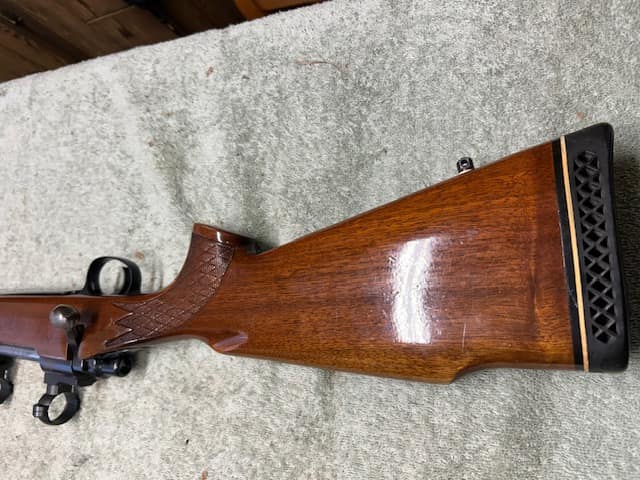
SWISS SCHMIDT RUBIN, MODEL: 1896/11 INFANTRY RIFLE, CALIBER: 7.5 X 55 Very good original condition 1911-1920 conversion date to M191 action.. SWISS SCHMIDT RUBIN, MODEL: 1896/11 INFANTRY RIFLE, CALIBER: 7.5 X 55, COMES WITH MUZZLE COVER, BORE IS VERY GOOD. VISIBLE NUMBERS MATCH. BARLEY CORN FRONT SIGHT WITH RAMP, ADJUSTABLE U NOTCHED REAR SIGHT, SILVER BOLT WITH RED POLYMER BOLT KNOBS. TWO PIECE FULL MILITARY WOOD STOCKS, FINGER GROOVED FOREND, MILITARY MODIFIED PISTOL GRIP, SMOOTH STEEL BUTT PLATE, SLING SWIVELS, STACKING HOOK, BAYONET LUG. METAL FINISH TURNING SILVER GREY WITH LIGHT PITTING, SCRATCHES, HANDLING MARKS AND WEAR. STOCKS SHOW DINGS, MARKS AND WEAR. ACTION: STRAIGHT PULL RIFLE, BARREL LENGTH: 30.75", CLASS: CANADIAN NON RESTRICTED. The Schmidt–Rubin rifles were a series of Swiss Army service rifles in use between 1889 and 1958. They are distinguished by the straight-pull bolt action invented by Rudolf Schmidt and use Eduard Rubin's GP90 7.5×53.5 and GP11 7.5×55 Schmidt–Rubin rifle cartridge. The Schmidt–Rubin 1896/11 rifle, or the Model 96/11, was a Swiss upgrade to the 89/96 rifles they had, to use the more powerful cartridge adopted as the GP11. The GP11 cartridge operated at a higher chamber pressure, which the 89/96 action could easily handle. The model 89/96 rifles were modernized by changing the three-groove rifled barrel to a new 4-groove type, adding a pistol grip to the stock, changing the magazine to the 6-round type used in the 1900 short rifle, and modernizing the sights. This also streamlined the appearance of the rifles. Because more rifles were needed than were available, the model 1911 rifle, with slight changes, was put into production. Almost all of the 127,000-plus model 89/96 rifles were converted to the 96/11 specifications. An improvement over the original 1889 version of the Schmidt–Rubin rifle, the Swiss M1911 placed the locking lugs in the middle of the bolt, rather than at the rear, strengthening the action and allowing a more powerful cartridge, the Gewehrpatrone 11 or GP 11 to be used. It is distinguished from the 96/11 rifle by a curved butt plate and by a stock with an integral semi-pistol grip. It uses a graduated tangent sight which begins at 300 meters. The 1911 and 96/11 rifles were made with excellent craftsmanship, and were exceptionally accurate. As Switzerland remained neutral through both world wars, remaining rifles are typically in far better condition than other European rifles of the time. CFP/RCMP courtesy of Bill C-71 require any firearm to have a transfer registration number approved by the CFT to sell, give or transfer as of MAY 18, 2022. Seller needs the full name and PAL of the buyer with DOB and email as on file with the CFP. Seller then submits information on the RCMP CFP Individual Web Services which confirms the buyers PAL as valid or not with a Reference Number. Failure to do so is subject to Sections 99 & 101 of the Criminal code.
categories:GunsSporting Goods
28145 impressions
1221 views
Saskatoon, SK4 days ago
Showing 21 of 54 records
Location
Search within
of
auction, garage sale, or moving sale

Having a garage, estate, or yard sale?

Create an ad event to promote an auction, garage sale, or moving sale.

Item Type
Firearms50Parts2Optics1Ammunition1
Gun Type
Rifle17Handgun10Shotgun7Other3
Action
Bolt18Lever12Revolver9Single-shot5Double-barreled3Pump3Semi-automatic2
Caliber